
Zinc and chromium are two small minerals with big reputations. Here is a clear, UK-focused guide to what they are, where you find them in food, and how they sit in your daily capsule.
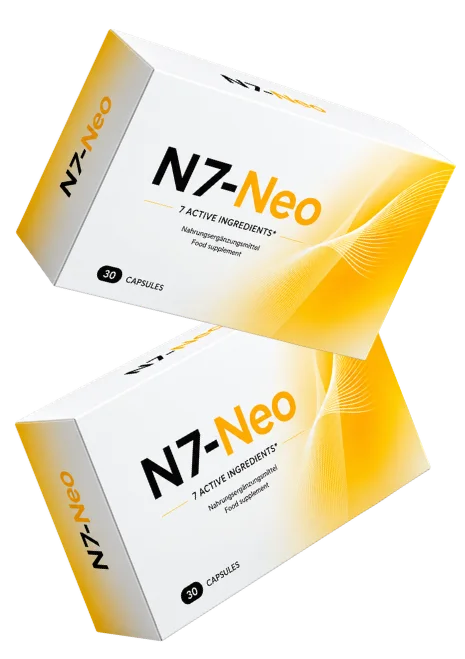
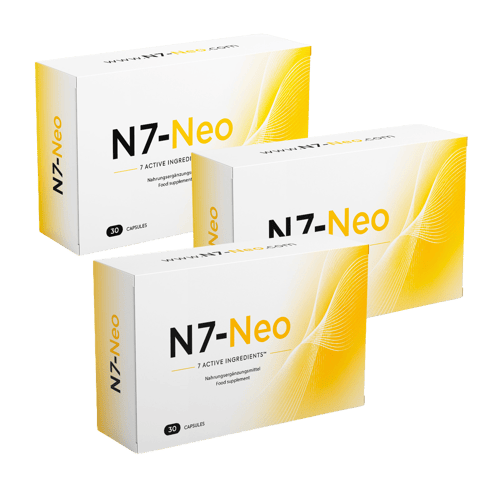
Both minerals feature in N7-Neo Metabolism Blend, a food supplement with seven active ingredients in one capsule a day. You can see the whole product on the N7-Neo UK page. Below we focus on the two minerals, which are the ones with authorised wording in the UK.
What is zinc?
Zinc is an essential trace mineral. Your body does not store it in large amounts, so it comes from what you eat and drink each day. It is found in almost every cell.
In the UK, the Nutrient Reference Value (NRV) for zinc is 10 mg a day. The NHS notes that most people can get what they need from their daily diet.
Which foods contain zinc?
A normal British diet has plenty of zinc sources. The NHS lists meat, shellfish, dairy foods such as cheese, bread and cereal products such as wheatgerm.
- Meat: beef, lamb, chicken and pork.
- Shellfish: oysters, crab and prawns.
- Dairy: cheese, milk and yoghurt.
- Bread and cereals: wholemeal bread, fortified breakfast cereals, wheatgerm.
- Plant foods: pumpkin seeds, lentils, chickpeas and nuts.
What is chromium?
Chromium is another trace mineral. We need only tiny amounts, which is why it is measured in micrograms (mcg) rather than milligrams. The UK NRV for chromium is 40 mcg a day.
The NHS lists meat, nuts and cereal grains as sources, and says a varied, balanced diet should provide what you need. Other everyday foods that contain a little include broccoli, potatoes and wholegrain bread.
Zinc and chromium at a glance
| Zinc | Chromium | |
|---|---|---|
| Unit | mg (milligrams) | mcg (micrograms) |
| UK NRV | 10 mg | 40 mcg |
| In one N7-Neo capsule | 15 mg (150% NRV) | 40 mcg (100% NRV) |
| Form used in N7-Neo | Zinc citrate | Chromium picolinate |
| Some food sources | Meat, shellfish, cheese, bread | Meat, nuts, cereal grains |
What do zinc and chromium contribute to?
In Great Britain, only certain wording is authorised for food supplements. Here is what the register allows for these two minerals, in plain terms.
Zinc contributes to:
- the normal metabolism of carbohydrates
- normal macronutrient metabolism
- normal fatty acid metabolism
- normal function of the immune system
- the protection of cells from oxidative stress
- normal cognitive function
- the maintenance of normal bones, hair, nails, skin and vision
Chromium contributes to:
- normal macronutrient metabolism
- the maintenance of normal blood glucose levels
A food supplement is not a substitute for a varied, balanced diet and a healthy lifestyle.
How much zinc and chromium is in N7-Neo?
Each capsule provides 15 mg of zinc and 40 mcg of chromium. That is 150% of the zinc NRV and 100% of the chromium NRV, in a single daily capsule.
The zinc comes as zinc citrate and the chromium as chromium picolinate, both well-known forms used in food supplements. They sit alongside the other five ingredients in the formula. For the full list, see the N7-Neo ingredients guide.
Add zinc and chromium to your daily routine
Get N7-Neo at the official store 60-day money-back guarantee · Free delivery · 30-day supply per packIs 15 mg of zinc a sensible amount?
The NHS advises not taking more than 25 mg of zinc supplements a day unless a doctor advises it. One N7-Neo capsule is 15 mg, so it sits inside that figure. If you also take a multivitamin or another zinc product, add up the totals on the labels. You can read the NHS page on zinc and other minerals for the latest wording.
Chromium is needed in tiny amounts. The NHS says that 10 mg or less a day from food and supplements is unlikely to cause harm, and 40 mcg is far below that. For more on suitability, see N7-Neo safety and suitability.
How can I combine zinc and chromium with my diet?
Think of the capsule as a tidy extra to a good plate. A few easy habits:
- Build a balanced plate. Protein, wholegrain carbs and plenty of veg at lunch or dinner.
- Take your capsule with a meal and two large glasses of water, as the pack directs.
- Mix up your zinc foods. Cheese on toast, a handful of pumpkin seeds, a lentil soup.
- Choose wholegrain bread and cereals more often. They bring both minerals.
- Check your other supplements so you know your total for the day.
A sample UK day of zinc and chromium foods
| Meal | Idea |
|---|---|
| Breakfast | Fortified wholegrain cereal with milk, a few nuts |
| Lunch | Chicken and salad wholemeal sandwich |
| Snack | Cheese and oatcakes, or a handful of pumpkin seeds |
| Dinner | Beef or lentil chilli with rice and broccoli |
Easy, familiar food. No special shopping trip needed.
Who should check first?
As with any supplement, adults only, and not recommended for under 18s. If you are pregnant, breastfeeding, taking medication or have a medical condition, speak to your GP or pharmacist first. This matters most if you take medicines for diabetes, as chromium relates to normal blood glucose levels.
Where can I buy a zinc and chromium supplement in the UK?
You will find zinc and chromium in chemists, supermarkets and online. When you compare, look at the label for the amount per capsule, the percentage of the NRV and the form used. N7-Neo gives you both minerals in one daily capsule, together with five other ingredients, and it comes with a 60-day money-back guarantee. See the offer at the official store.
Why are zinc and chromium measured differently?
You may have noticed that zinc is shown in milligrams (mg) and chromium in micrograms (mcg). A microgram is one thousandth of a milligram. So 40 mcg of chromium is just 0.04 mg. Chromium is a mineral your body needs only in tiny traces, which is why the numbers look so different on the same label.
What does 150% of the NRV mean?
The NRV is a reference figure that helps you compare products. It is the amount that sets the 100% mark on the label. At 15 mg, N7-Neo's zinc is one and a half times the 10 mg reference figure. At 40 mcg, the chromium matches the reference figure exactly.
A product needs to give at least 15% of the NRV per daily amount before it can carry the authorised wording for that mineral. With 150% and 100% respectively, both minerals in N7-Neo clear that bar comfortably.
How to read a supplement label like a pro
- Find the serving. For N7-Neo, one capsule a day.
- Check the unit. mg or mcg.
- Look at the % NRV. This makes products easy to compare.
- Notice the form. Zinc citrate and chromium picolinate are named on the N7-Neo pack.
- Scan the extras. Bulking agents, capsule type and anti-caking agents.
Common questions people ask at the chemist counter
Do I need both? Many people choose a combined product for convenience. Having zinc and chromium in the same capsule keeps your routine to one step.
Should I take it with food? The N7-Neo directions allow a capsule with lunch or dinner, or 15 to 30 minutes before a meal. Plenty of people prefer to take minerals with a meal, so take it with food if that suits your stomach better.
Is it all I need? No supplement is. A varied, balanced diet is the foundation, and the capsule is a convenient extra. If you want to see how the two minerals fit in with the other five ingredients, take a look at the full N7-Neo formula.
Frequently asked questions
What is the UK NRV for zinc and chromium?
The UK Nutrient Reference Value is 10 mg a day for zinc and 40 mcg a day for chromium.
How much zinc and chromium is in one N7-Neo capsule?
One capsule provides 15 mg of zinc (150% of the NRV) and 40 mcg of chromium (100% of the NRV).
Which foods contain zinc?
Meat, shellfish, dairy foods such as cheese, bread and cereal products such as wheatgerm are all sources. Pumpkin seeds, lentils and nuts also contain zinc.
What does chromium contribute to?
Chromium contributes to normal macronutrient metabolism and to the maintenance of normal blood glucose levels.
What does zinc contribute to?
Zinc contributes to the normal metabolism of carbohydrates, normal macronutrient metabolism, normal fatty acid metabolism and normal function of the immune system. It also contributes to the protection of cells from oxidative stress and to normal cognitive function.
Is 15 mg of zinc within the upper limit?
The NHS advises not taking more than 25 mg of zinc supplements a day unless a doctor advises it. One capsule provides 15 mg. Add up the zinc from any other supplements you take.
More guides
Last reviewed 19 October 2026. This guide is general information about a food supplement.